
July 2, 2026
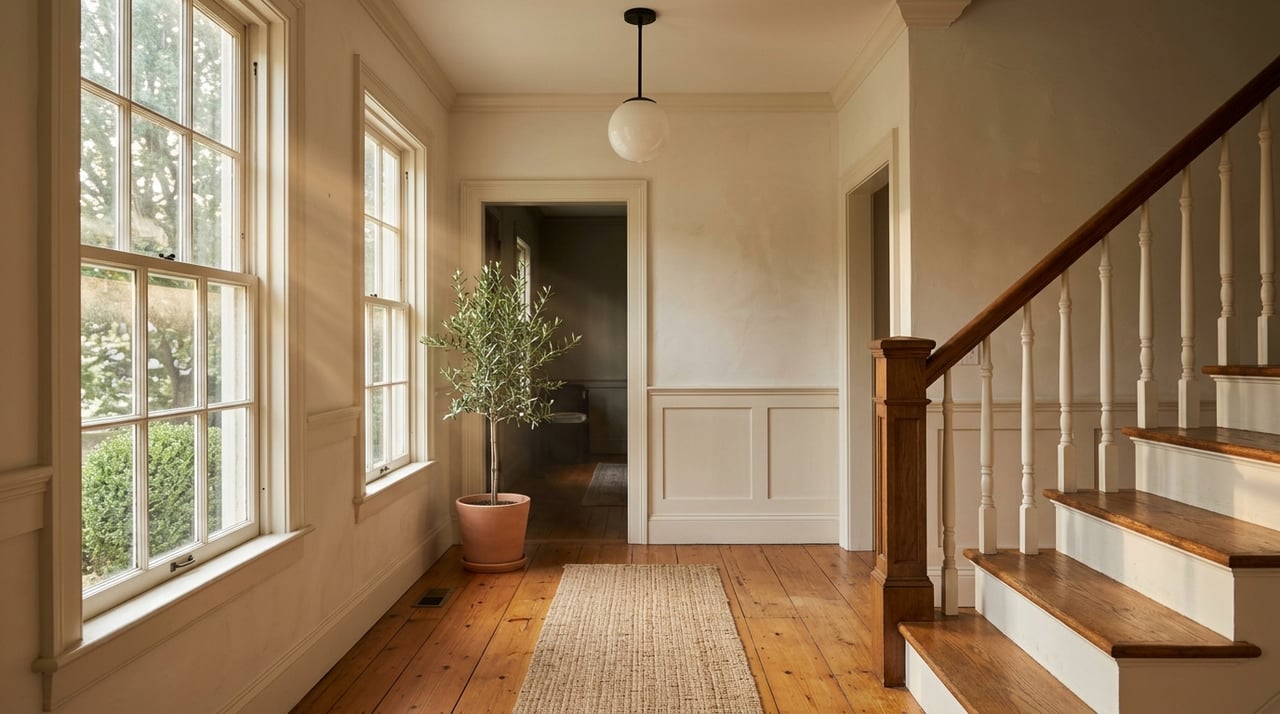
If you own a historic home in Franklin, you already know its charm is not the problem. The real challenge is helping today’s buyer see that charm and feel confident about the home’s condition, updates, and livability. With the right plan, you can protect the details that make your home special while presenting it in a way that feels clear, polished, and market-ready. Let’s dive in.
Before you make any pre-listing changes, confirm what kind of historic property you actually own. In Franklin, there is an important difference between a home that is simply older, a home listed in a National Register historic district, and a home located in a locally designated historic district or Historic Preservation Overlay area.
That distinction matters because Franklin’s local historic districts have enforceable design review, while National Register listing alone does not restrict a private owner’s use or treatment of the property. If your home is in the local overlay district, many exterior changes may require a Certificate of Appropriateness, often called a COA.
In Franklin’s Historic Preservation Overlay District, the city requires a COA for most exterior work. That can include additions, window changes, siding or masonry alterations, roofing changes, modern features, demolition, relocation, and more.
Some minor changes may be approved administratively, but sellers should not assume a project is simple just because it seems cosmetic. Franklin’s design guidelines take precedence when they conflict with other ordinance provisions, so it is smart to plan exterior work as a preservation-minded project rather than a standard remodel.
If you are hoping to list on a specific timeline, approval and coordination can affect your schedule. Franklin encourages owners to contact preservation staff before making repairs, and more complex proposals may benefit from the city’s Design Review Committee process before formal COA review.
That early step can help you avoid delays, unfinished work, or compliance issues right before photography and showings. A smoother prep timeline usually leads to a more polished market launch.
For many historic Franklin homes, the most effective updates are not dramatic. Franklin’s residential guidance emphasizes preserving features such as building form, roof shape, porch configuration, foundations, historic wood siding, and the home’s placement and orientation.
In practice, that means your best pre-sale investments are often careful maintenance, repair, and selective refresh. A well-prepared historic home should feel cared for and easy to understand, not stripped of its original identity.
Buyer data supports this approach. Buyers of previously owned homes often cite better value, better price, and more charm and character as reasons for their choice.
At the same time, buyers drawn to newer homes often want fewer repair concerns and a simpler ownership experience. For an older Franklin home, that means preparation should reduce uncertainty without erasing the features that make the property distinctive.
When sellers prepare a home for market, visible improvements often matter more than sweeping renovations. NAR’s 2025 Remodeling Impact Report says Realtors most often recommend painting the entire home, painting one room, and, if needed, new roofing.
For a historic property, the key is applying that advice carefully. Repainting worn areas, repairing damaged trim, refreshing porch elements, and addressing roofing concerns can improve buyer confidence without undermining historic character.
Franklin’s guidelines ask owners to match the composition and appearance of historic materials when replacement is necessary. The city discourages changes that would alter historic character, such as covering historic wood, obscuring foundations, or using artificial materials like vinyl siding or stone veneer in ways that change the home’s appearance.
That means “updated” should usually mean compatible repair and selective replacement. If original elements still contribute to the home’s character, preserving them can strengthen both presentation and credibility.
Historic appeal can bring buyers in, but confidence in the home’s condition helps them move forward. Older homes often raise practical questions about maintenance, safety, and past repairs, so your prep plan should include more than paint colors and staging.
For homes built before 1978, lead-based paint is a serious consideration. EPA guidance says the safest default is to assume lead may be present unless a certified professional tests otherwise, and paid work that disturbs painted surfaces in pre-1978 housing must be performed by certified, trained lead-safe contractors.
This matters most around windows, doors, trim, and other high-friction areas where painted surfaces may be deteriorating. Handling those areas thoughtfully is not just about appearance. It can also help reduce buyer concern and keep pre-listing work aligned with federal lead rules.
Federal law also requires sellers of most pre-1978 homes to disclose known lead-based paint hazards, provide the lead pamphlet, and give buyers a 10-day opportunity for inspection or risk assessment. If your home may fall into this category, organizing information early can help the transaction feel more orderly later.
Today’s buyers want a clear story. For a historic Franklin home, that story should explain what is original, what has been preserved, what has been repaired, and what has been updated.
A simple documentation package can make your home easier to evaluate. Depending on your situation, that may include records of recent repairs, contractor invoices, approvals related to exterior work, roofing information, and any relevant reports tied to condition or historic review.
NAR’s 2025 buyer and seller data shows that buyers value agents who point out features or flaws they may not have noticed. Sellers also rely on agents to market the home well, price it competitively, and sell within a desired timeframe.
When your listing is backed by clear documentation, the home feels more understandable. That can support stronger buyer trust, cleaner conversations during due diligence, and more confidence in the asking price.
Historic homes often have memorable details, but those details do not always show their best in a lived-in space. Thoughtful staging helps buyers connect emotionally while also understanding how the home functions day to day.
NAR’s 2025 staging report found that 83% of buyers’ agents said staging made it easier for buyers to visualize a property as a future home. The same report found that 49% of sellers’ agents said staging reduced time on market, and 29% reported a 1% to 10% increase in offered value.
In many historic homes, the goal is to reveal the architecture, not compete with it. Open sightlines to hardwood floors, fireplaces, built-ins, trim, porches, tall windows, and ceiling height can help buyers notice what makes the home special.
Use furniture that fits the scale of each room and keep décor restrained. A calm, uncluttered presentation helps period details read clearly in both photos and in-person showings.
According to NAR, the most commonly staged rooms are the living room, primary bedroom, dining room, and kitchen. Common seller recommendations also include decluttering, cleaning, and improving curb appeal.
If your time or budget is limited, start there. In a historic home, a clean porch, tidy landscaping, and well-composed main living spaces can make a strong first impression.
A historic property deserves marketing that is both beautiful and accurate. Buyers are often drawn in by character, but they make decisions based on clarity.
NAR’s 2025 buyer data shows that the internet was the largest single source where buyers found the home they purchased, and 88% of buyers used an agent or broker. NAR’s staging report also says buyers’ agents rank photos, physical staging, videos, and virtual tours as important.
For your listing, that means professional visuals are essential. It also means room labels, feature descriptions, and update notes should be precise.
The strongest marketing story is usually not “fully remodeled.” It is a more specific message: this is a historic Franklin home that has been thoughtfully preserved, carefully improved, and prepared for today’s buyer with transparency.
Not every improvement will add equal value. In a historic Franklin home, over-improving or making incompatible changes can create unnecessary cost, timeline stress, or even approval issues.
A better approach is to weigh each project through three lenses: buyer impact, preservation fit, and listing timing. That is especially important for higher-value homes, where presentation quality and buyer confidence can influence both showing activity and negotiation strength.
Before you go live, work through these basics:
Preparing a historic Franklin home for today’s buyer is rarely about making it look new. It is about making it feel well cared for, easy to understand, and true to itself. When you pair preservation-minded updates with strong documentation, thoughtful staging, and precise marketing, your home can stand out for all the right reasons.
If you are thinking about selling in Franklin or elsewhere in Williamson County, Donna Stumpf can help you build a calm, strategic plan for pricing, preparation, and presentation.
Stay up to date on the latest real estate trends.
October 22, 2026
October 15, 2026
October 8, 2026
October 1, 2026
September 24, 2026
September 17, 2026

September 10, 2026

September 3, 2026

August 27, 2026
Buying or selling a home is more than a transaction—it’s a life moment. I’ll be your trusted partner, guiding you with expertise, honesty, and a smile every step of the way.

Donna Stumpf
8119 Isabella Ln Ste 105 Brentwood TN 37027