
June 25, 2026
If you are trying to choose between Historic Franklin and one of Franklin’s newer communities, you are really choosing how you want to live day to day. Some buyers picture a home with architectural character near Main Street, while others want newer construction, planned amenities, and a more predictable maintenance routine. The good news is that Franklin offers both, and each option can fit a different set of priorities. Let’s dive in.
Franklin is often described as a blend of history and progress, and that description fits the housing conversation well. In Williamson County, the U.S. Census Bureau estimates a July 2025 population of 272,061 and a median household income of $135,594, which helps explain why many buyers are looking closely at both lifestyle and long-term value.
When you compare Historic Franklin with newer communities, the decision usually comes down to a few practical questions. Do you want walkability and preserved character, or do you want newer homes, community amenities, and lower exterior upkeep? Neither choice is universally better. It depends on what matters most to you.
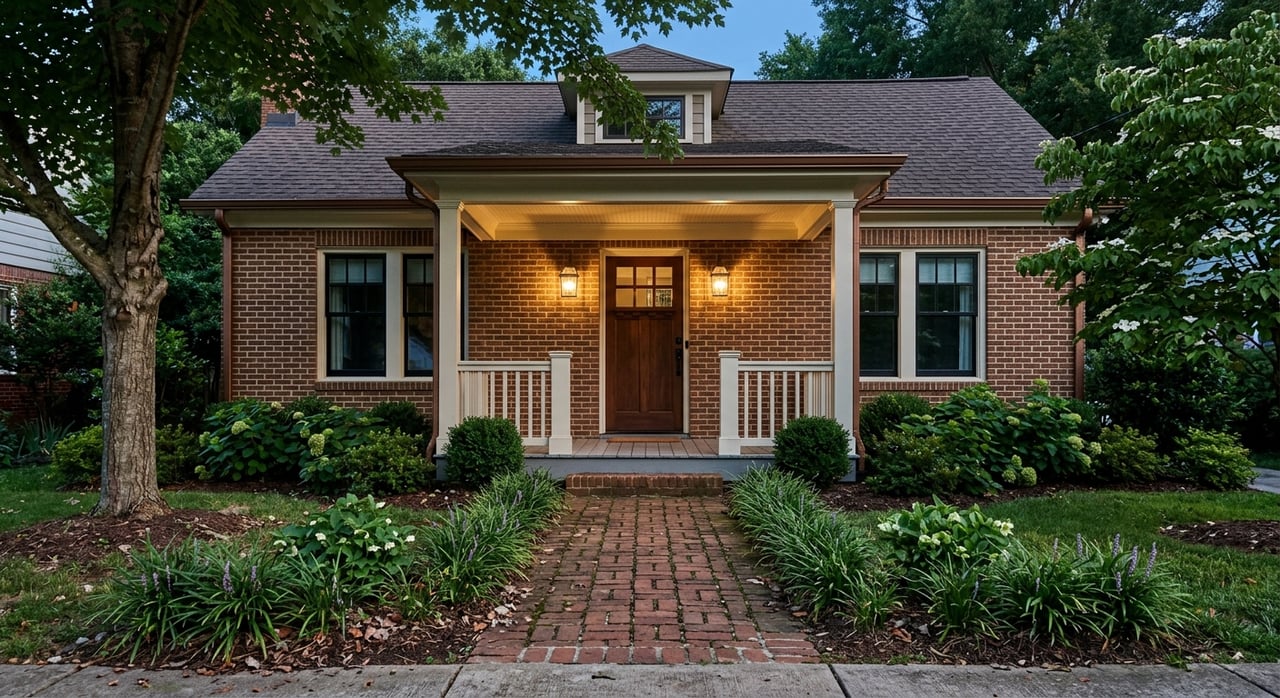
Historic Franklin centers around the downtown square and courthouse in a roughly 15 to 16 block district. According to the City of Franklin, this area includes some of the city’s oldest residential and commercial buildings, with most structures dating to the 19th and early 20th centuries.
That history shapes the look and feel of the area. City design guidelines reference Federal, Greek Revival, Italianate, and Victorian influences, while Visit Franklin notes that some Main Street buildings date back as far as 1799. If you are drawn to older homes and established streetscapes, this part of Franklin has a sense of place that newer neighborhoods cannot fully recreate.
Main Street is the most walkable part of this comparison. Visit Franklin describes it as a place lined with boutiques, galleries, and restaurants in historic buildings, built for wandering rather than quick in-and-out errands.
The city also supports the downtown experience with free garages, two-hour on-street parking, and ADA parking. That setup reinforces the idea that the historic core is designed around a pedestrian-friendly experience. If you want to step out for coffee, dinner, or a casual stroll, downtown Franklin stands apart.
Historic homes often appeal to buyers who value original details, mature surroundings, and a location tied closely to Franklin’s past. But that appeal comes with added responsibility.
The City of Franklin’s Historic Preservation program protects historic resources through design guidelines. In the Historic Preservation Overlay District, the Historic Zoning Commission reviews and approves exterior alterations. The guidelines cover items such as new buildings, additions, windows, siding, roofing, fences, and walkways.
For you, that means renovations can require more planning and review. If you love the idea of stewardship and careful preservation, that may feel worthwhile. If you want broad freedom to change a home’s exterior, this setting may feel more restrictive.
Newer communities in Franklin usually appeal to buyers who want a more structured lifestyle, newer construction, and amenities built into the neighborhood plan. These communities are not all the same, but they often share a focus on convenience, curb appeal consistency, and lower day-to-day maintenance.
In many cases, you will also see more variety in home types. Depending on the community, options may include townhomes, condos, villas, and single-family homes. That broader range can be helpful if you are relocating, rightsizing, or looking for a newer home without taking on a large lot.
Berry Farms is one of the clearest examples of a newer Franklin community with a walkable, mixed-use layout. Its official materials describe neighborhoods within a five-minute walk of shops, restaurants, offices, parks, a pool, a pool house, and bocce ball courts. The community also notes that it is about 10 minutes from Historic Downtown Franklin.
Berry Farms offers homes ranging from town-center condo flats to custom homes. Its residential materials also reference classic Federal-style architecture, which gives the area a nod to traditional design even though it is newer. If you want newer construction with some walkable energy, Berry Farms is a strong point of comparison.
Westhaven leans more heavily into village-style living and amenity density. Its official pages describe single-family homes, townhomes, and villas, along with a Residents’ Club, a 15,000-square-foot clubhouse, pools, and nine miles of trails.
For buyers focused on convenience, Westhaven also highlights full lawn maintenance for all homes and full exterior maintenance for townhomes and villas. Front porches and low-maintenance landscaping are part of the overall design approach. If you want lifestyle amenities and less exterior work, Westhaven may check a lot of boxes.
Lockwood Glen reflects a more suburban master-planned model. EDGE describes it as an approximately 220-acre community with 400 single-family lots and 240 multi-family units, along with a two-acre boulevard park, playgrounds, pocket parks, a residents’ club, and extensive open space.
The key takeaway is that newer Franklin neighborhoods do not all follow the same pattern. Some emphasize walkability to shops and services, while others focus more on open space, varied lot sizes, and a traditional neighborhood layout. If you are comparing communities, it helps to separate “new construction” from “mixed-use walkability” because they are not always the same thing.
One of the biggest differences between Historic Franklin and newer communities is not just how they look, but how they are managed. This can affect your budget, your time, and how much flexibility you have after closing.
In Historic Franklin, preservation oversight is the defining factor. Exterior work may require review under the city’s historic guidelines, which can shape how you update or maintain the property.
In newer communities, that oversight usually shifts to HOA or architectural-control rules. Berry Farms states that architectural and landscape designs must be submitted to and approved by the Town Architect, including later additions. Westhaven emphasizes low-maintenance landscaping and maintenance support for certain home types, while Lockwood Glen highlights master-planned layout and open space.
Here is the practical version of the decision:
If you like individuality and historic detail, the extra rules in older areas may feel manageable. If you prefer a streamlined ownership experience, newer communities often make that easier.
The physical layout of each area also shapes your everyday experience. In the historic district, the pattern is more compact and street-oriented, with brick sidewalks, landscaping, renovated historic buildings, and a layout organized around the square.
That setup can make daily life feel more connected to downtown activity. You may have a smaller footprint, but you gain immediate access to the most walkable part of Franklin.
Newer communities offer a wider range of layouts. Berry Farms combines compact town-center products with larger homes farther out. Westhaven includes townhomes, condos, single-family homes, and villas. Lockwood Glen offers a broader suburban planning mix with varied lot sizes and open space.
For you, that means the right choice is often less about age alone and more about how you want your home and neighborhood to function. Do you want a compact, connected environment or a more traditional neighborhood layout with planned green space and amenities?
For many relocating buyers, school zoning is one of the first questions that comes up. In Franklin, it is important to verify this carefully rather than assume a neighborhood falls into one district or another.
Franklin is split between the Franklin Special District, which serves pre-K through 8 within eight schools, and Williamson County Schools. The Franklin Special District boundary does not cover all of Franklin, and Williamson County Schools states that zones are based on the physical street address and can change when schools open or reach capacity.
The main takeaway is simple: if school assignment is part of your decision, verify the exact address before treating any neighborhood as a certainty. That step matters whether you are considering an older home near downtown or a newer home in a master-planned community.
If you want architectural character, downtown wandering, and a setting shaped by preservation rules, Historic Franklin may be the better fit. It can be especially appealing if you value place, charm, and a more walkable relationship to the heart of the city.
If you want newer construction, HOA-managed consistency, amenities, and potentially less exterior upkeep, a newer Franklin community may fit better. Within that category, Berry Farms tends to suit buyers who want a newer mixed-use feel, Westhaven often appeals to those who want a village-style amenity package and maintenance relief, and Lockwood Glen may work well if you prefer a more traditional master-planned suburban setting.
The best move is to match the home to your actual routine, not just your first impression. A beautiful historic property or a polished newer community can both be great choices, but only if they support the way you want to live.
If you are weighing Franklin neighborhoods and want a calm, data-driven perspective on the tradeoffs, Donna Stumpf can help you compare lifestyle, location, and long-term fit with clarity.
Stay up to date on the latest real estate trends.
October 22, 2026
October 15, 2026
October 8, 2026
October 1, 2026
September 24, 2026
September 17, 2026

September 10, 2026

September 3, 2026

August 27, 2026
Buying or selling a home is more than a transaction—it’s a life moment. I’ll be your trusted partner, guiding you with expertise, honesty, and a smile every step of the way.

Donna Stumpf
8119 Isabella Ln Ste 105 Brentwood TN 37027