
January 15, 2026
If you are getting ready to sell a one-of-a-kind home in Forest Hills, you may find the usual pricing playbook does not fit. Turnover is low, floor plans are custom, and lot sizes vary a lot. That makes it tough to find clean, recent sales to anchor value. You are not alone, and you are not stuck. With a practical, data-driven framework, you can set a compelling list price and protect your outcome. Let’s dive in.
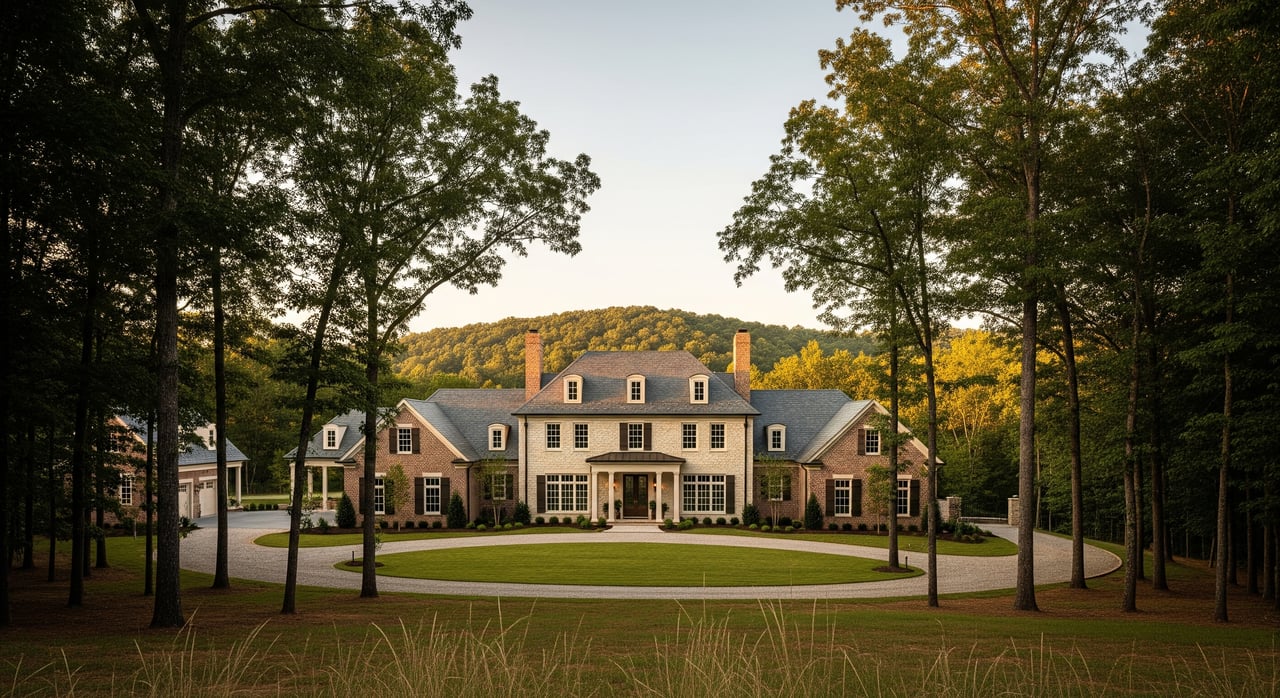
Forest Hills is a low-density city with larger lots, custom and estate homes, mature trees, and privacy. Homes often have unique siting, long drives, and site features like ravines or views. Many sales are quiet or off-market, and the mix of finishes and acreage is wide. The result is a small, inconsistent sample of comparable sales.
Because of this, you should not rely on a single nearby sale. You will get farther by combining multiple methods and cross-checking the results against current competition and financing realities.
A triangulation framework pulls value from three different lenses, then reconciles them into a clear list price range.
Assemble all available data. Pull closed sales within the last 12 to 24 months in Forest Hills first, then adjacent Davidson County neighborhoods. Add pending sales and active listings. Include any recent vacant land sales and local cost indicators from builders or estimators.
Run three independent indications. Use a bracketed sales comparison, a land and acreage analysis applied to improvements, and a cost approach that estimates replacement cost new minus depreciation plus land.
Reconcile the results. Weight each approach based on data quality, document your reasoning, and show sensitivity to key assumptions like $ per acre and depreciation.
Test against the market. Compare your range to active competition, buyer expectations, and likely appraisal outcomes, especially if jumbo financing is involved.
When one perfect comp does not exist, build a bracket of sales and listings that “frame” your value.
In Forest Hills, land can be a large share of the total value. Treat it as a separate line item so you do not over- or under-value improvements.
Small increments of quality acreage can matter a lot in estate neighborhoods because they add privacy or a future building site. Be precise about what is truly usable.
If your home is newly built or uniquely improved, replacement cost can be a more reliable indicator than thin sales data.
Weight each approach by data quality and relevance.
Document your weightings and test sensitivity. For example, you might assign about half the weight to sales comparison, then split the rest between land and cost. Show how the price range shifts if $ per acre or depreciation assumptions move within reasonable bounds. This builds confidence for you and for buyers.
Once you have a range, hold it up to current listings and pending sales. Are you clearly competitive on livable square footage, lot quality, privacy, condition, and amenities that matter in Forest Hills? Think about likely buyers, their financing, and appraisal expectations.
In higher price segments, jumbo loans are common and appraisals get added scrutiny. If your pricing is at the top of the defensible range, consider a pre-listing appraisal to reduce appraisal risk and give buyers and lenders a strong package.
List pricing is a trade-off. Too high can slow showings and invite appraisal gaps. Too low can leave money on the table, especially when the buyer pool is thin.
A smart route is to choose a defensible number inside your reconciled range and pair it with a strong marketing plan. If you have a 30 to 60 day runway, testing the upper end of the range can work, as long as you are ready to adjust quickly if the market says you overshot.
Timing matters. In Davidson County, spring and early fall typically produce stronger traffic for estate properties. If your home appeals to relocating buyers, align your launch with those seasonal windows when possible.
Make your uniqueness easy to understand and easy to appraise.
Broker previews and private showings can be more effective than broad open houses when the buyer pool is small. Invite qualified prospects and give them the context they need to act.
Go into launch with an adjustment protocol so you are responding to data, not guessing.
Track weekly for the first 2 to 4 weeks, then biweekly:
Decision rules help you stay objective:
When you change price, pair it with refreshed marketing so you regain momentum.
Unique homes can face appraisal gaps if the appraiser struggles to find support. You can reduce this risk with a complete appraiser packet that includes your comp grid, land sales, builder cost inputs, site plans, and photos. A pre-listing appraisal can help when pricing high or when financing will be sensitive.
Consider the buyer pool and financing. Cash buyers may be attractive if appraisal risk is high. If septic or steep slopes affect expansion options, disclose early and price accordingly. Verify all easements, road agreements, and recorded covenants before listing so nothing surprises you mid-contract.
If you are weighing pre-list improvements, focus on items that reduce buyer objections and cost less than the likely value impact. For large deferred maintenance or structural items, compare the certainty of a lower price against the cost and time to remedy.
A clean, complete file speeds decisions and protects value. Before you list, gather:
Professionals who can help:
You deserve a pricing process that blends financial rigor with local insight. Donna pairs a finance-first advisory approach with disciplined market analysis so you get a clear, defensible list price range. With premium marketing, floor plans, drone visuals, and a narrative that highlights acreage and privacy, your listing shows its full value. When strategic touch-ups make sense, Compass Concierge can help you prepare with professional presentation.
If you are planning to sell a unique Forest Hills property, get a calm, step-by-step plan and a pricing range you can trust. Connect with Donna Stumpf to start your valuation conversation.
Stay up to date on the latest real estate trends.
October 22, 2026
October 15, 2026
October 8, 2026
October 1, 2026
September 24, 2026
September 17, 2026

September 10, 2026

September 3, 2026

August 27, 2026
Buying or selling a home is more than a transaction—it’s a life moment. I’ll be your trusted partner, guiding you with expertise, honesty, and a smile every step of the way.

Donna Stumpf
8119 Isabella Ln Ste 105 Brentwood TN 37027